
A first-apartment tool kit, and what you can safely leave out

A first-apartment tool kit, and what you can safely leave out
People setting up a first apartment tend to buy either far too much or nothing at all. The honest middle is about eleven tools, most of which you will still own in twenty years.
The eleven
- Claw hammer, 16 oz. Heavy enough to drive a nail, light enough to control. A fibreglass or steel handle survives being left in a hot car; wood is more comfortable and more fragile.
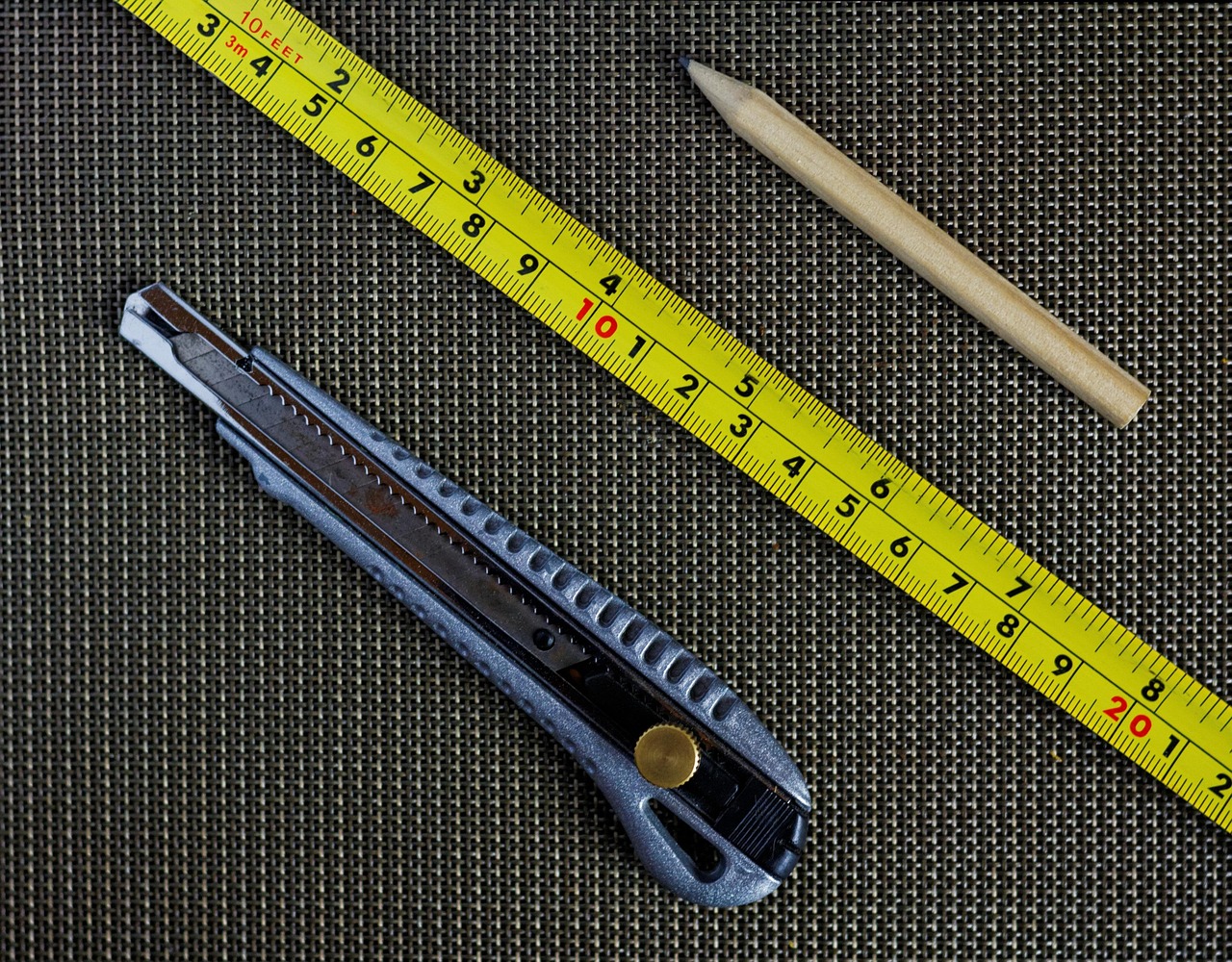
- Tape measure, 25 ft. With a standout of at least seven feet, so you can measure a wall alone.
- Screwdriver with interchangeable bits. One handle, twenty bits, one slot in the drawer.
- Combination pliers. Grip, twist, and cut light wire.
- Long-nose pliers. For everything that has fallen behind something.
- Adjustable wrench, 8 inch. Covers plumbing fittings and furniture bolts without a socket set.
- Utility knife with spare blades. Blades are consumable; a dull blade is more dangerous than a sharp one because you push harder.
- Torpedo level, 9 inch. Long enough for a shelf, short enough for the drawer.
- Hex key set, metric and imperial. Flat-pack furniture, bicycles, chairs that have started to wobble.
- Cordless drill-driver, 12 V. The one power tool worth owning early. 12 V is lighter, cheaper and does everything an apartment needs; 18 V is for a house with a yard.
- A small assortment of fixings. Drywall anchors in two sizes, picture hooks, wood screws in three lengths.
Plus safety glasses, which cost very little and are the only item on this list that protects something you cannot replace.
What you can leave out for now
- A full socket set. An adjustable wrench covers apartment work. Buy sockets when you have a car or a bicycle to maintain.
- A circular saw or a jigsaw. Renters rarely cut sheet material, and when they do, the lumber yard will cut it for you.
- An impact driver. Wonderful, unnecessary until you are building decking.
- A workbench. A folding sawhorse pair and a sheet of ply does the same job and goes in a closet.
- A 500-piece kit. Ninety per cent of it will still be in its moulded slot when you move out.
Where to spend and where not to
Spend on the things that transmit force through your hand: hammer, pliers, wrench, drill. A cheap plier joint has play, a cheap hammer head loosens, a cheap drill chuck slips.
Save on consumables and on things that are simply a shape: tape measures, hex keys, utility knives. A twelve dollar tape measures the same as a forty dollar one.
Renting-specific notes
Two practical points for anyone whose walls belong to somebody else.
Drywall anchors, used properly, hold far more than people expect and leave a hole the size of a pencil. Toggle bolts hold more and leave a hole the size of a dime. Choose according to what you are hanging and what you are willing to patch.
Buy a small tub of lightweight spackle and a two-inch putty knife at the same time as the anchors. Patching as you go, rather than the week you move out, is the difference between getting your deposit back and negotiating for it.
Storage from the start
A shallow plastic caddy in a kitchen or hall closet beats a proper tool box for apartment life, because you will actually open it. If tools live in a box under the bed, you will use a butter knife instead, and that is how people end up with chewed screw heads.
Come and pick it up in one go
We can put the whole list together at the counter in about ten minutes, in English or Spanish, and tell you where a cheaper option is genuinely fine. It is not a big sale and it is the one we most enjoy making, because nobody comes back angry about it.
Anchors, and choosing the right one
Half the jobs in a rented apartment involve fixing something to a wall, and the anchor decides whether it stays there.
- Self-drilling plasterboard anchors — quick, hold roughly 25 to 50 lb, leave a hole about the size of a pencil. Fine for a picture or a small shelf.
- Toggle bolts — hold far more, up to 100 lb or better, leave a larger hole. The right answer for a TV bracket or a heavy mirror.
- Into a stud — always the best option. A stud finder costs little and turns a marginal fixing into a certain one.
Whatever the anchor claims, halve it in your head. Ratings are static loads in ideal board, and a shelf that gets leaned on is not a static load.
The five-minute patch
Fill the hole with lightweight spackle using a putty knife, leave it slightly proud, let it dry, sand flush with fine paper, and touch in with matching paint. Ten minutes per hole including drying time you spend elsewhere.
Do it as you go, not the week you move out. Twenty holes patched on the last day always looks like twenty holes patched on the last day.
Noise, neighbours and hours
Apartment DIY has a social dimension. Drilling into masonry travels through a whole building. Keep the loud work to reasonable hours, tell the neighbour on the other side of the wall before you start rather than after, and use a hand driver for the last part of a job in the evening. It costs a few minutes and it is why some people get complaints and others do not.